How to Maintain Forklift Performance for Long Lasting Efficiency?

Time:2026-08-13 Author:Mason
0%

Maintaining forklift performance is crucial for efficiency and safety in any warehouse or construction site. Over time, forklifts can face wear and tear that affects their function. Knowing how to maintain forklift performance over time is essential for operators and managers alike. Regular maintenance not only prolongs the life of the equipment but also ensures safe operations.

Routine inspections are vital. Checking fluids, tires, and brakes can prevent unexpected failures. However, many operators overlook these areas, thinking they can manage without them. This oversight often leads to costly repairs and downtime. Training staff on basic maintenance is important. Empowering workers to spot potential issues early can save time and money.

Another aspect is the environment in which forklifts operate. Dusty or wet conditions can impact performance. Operators must adapt their techniques to account for these conditions. Yet, many continue to operate as usual despite environmental challenges. Continuous evaluation of forklift performance is key to identifying problems before they worsen. Without proactive measures, maintaining efficiency becomes increasingly difficult.
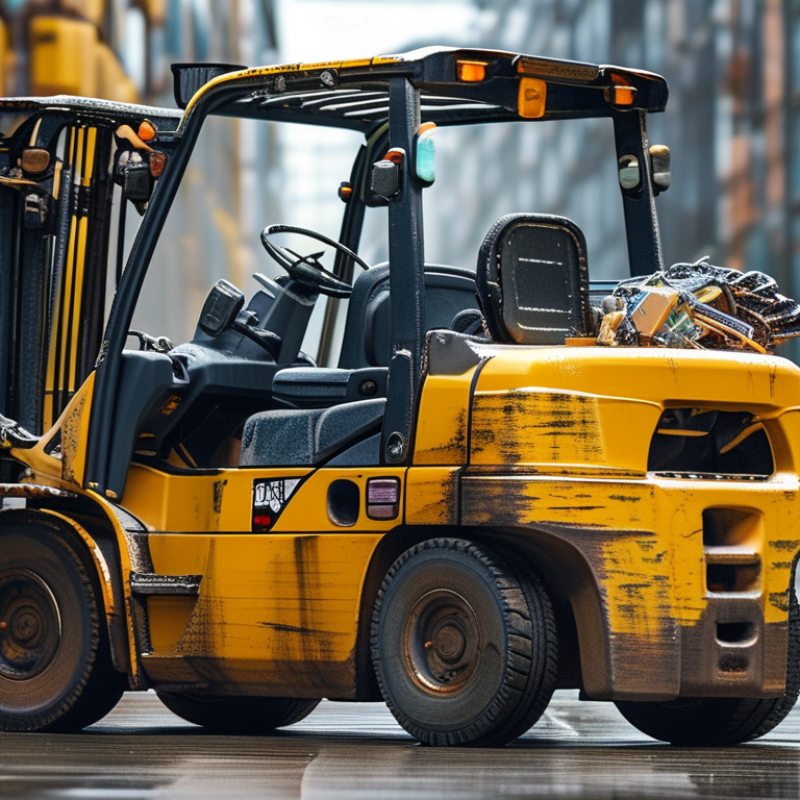
How to Maintain Forklift Performance for Long Lasting Efficiency?

Understanding Forklift Performance and Its Importance

Understanding forklift performance is crucial for maintaining operational efficiency. According to a study by the Forklift Truck Association, poorly maintained forklifts can lead to a productivity drop of up to 20%. This decline can cost businesses significantly, as delays in operations directly impact revenue. Regular inspections and proper maintenance ensure these machines function optimally.

Performance metrics, such as lift speed and load capacity, directly influence warehouse productivity. Research shows that a well-maintained forklift can enhance load handling efficiency by nearly 30%. Conversely, neglecting maintenance can result in unexpected breakdowns. These unforeseen issues often lead to higher repair costs and operational downtimes. Ensuring regular training for operators is equally vital, as human error can account for nearly 70% of forklift accidents.

To keep forklifts running efficiently, it’s essential to create a maintenance schedule based on usage frequency. Inconsistencies in maintenance can lead to uneven wear and tear. Addressing minor issues promptly prevents larger, costlier problems later. Relying on outdated practices or delaying routine checks may seem harmless, but it jeopardizes overall performance. Maintaining optimal forklift performance requires diligence and awareness of potential pitfalls.

Regular Maintenance Practices to Enhance Forklift Efficiency

Regular maintenance practices are essential for optimizing forklift efficiency. Daily inspections can catch minor issues before they escalate. Check fluid levels, tire pressure, and battery condition. Small checks can prevent costly repairs later. Ensuring that the forks are aligned properly plays a critical role in load stability. Misalignment can result in accidents and equipment wear.

Weekly and monthly maintenance checks should include more in-depth inspections. Inspect the hydraulic system for leaks, and replace filters as needed. Clean the forklift's exterior to prevent debris buildup. A clean machine is less likely to overheat or malfunction. Also, proper calibration of the brakes and controls is paramount. If these systems are neglected, it could lead to performance inconsistencies.

Operating a forklift requires attention to detail. Operators should be trained to report any irregular behavior immediately. Ignoring small issues can lead to bigger problems down the line. Ensuring that all components are functioning correctly enhances productivity. However, routine maintenance can sometimes be overlooked due to busy schedules. Consistency is key. Making maintenance a priority fosters a culture of safety and efficiency.

How to Maintain Forklift Performance for Long Lasting Efficiency?

Maintenance Practice Frequency Impact on Efficiency Notes
Oil Changes Every 250 hours Prevents engine wear Use recommended oil type
Battery Maintenance Weekly Improves battery life Keep terminals clean
Tire Inspection Monthly Enhances stability and control Check for wear and pressure
Hydraulic System Check Every 500 hours Maintains lifting capabilities Look for leaks
Brake Inspection Quarterly Critical for safety Replace pads if worn

Signs of Wear and Tear: Identifying Maintenance Needs

Maintaining forklift performance requires vigilant attention to signs of wear and tear. Regular inspections can reveal issues before they lead to bigger problems. Look for tire wear, hydraulic leaks, and unusual noises. These signs often indicate that maintenance is necessary. Don't wait until a malfunction occurs; proactive measures can save time and money.

Tips for maintenance include checking fluid levels regularly. Low fluids can cause engine overheating or transmission failure. Also, inspect the forks for bending or cracks. Damaged forks compromise safety and efficiency. Replace them if you notice significant wear. Pay attention to battery health as well; a weak battery can reduce performance.

Identifying maintenance needs involves experience and knowledge. Operators should be trained to recognize warning signs. This expertise is essential for sustaining performance. Regularly schedule professional assessments of your forklift. Expert eyes can catch potential issues early, ensuring your equipment runs smoothly. Don't overlook any changes in performance; they may be the first step toward significant repairs.

Proper Operator Training for Optimal Forklift Performance

Proper operator training is crucial for maintaining forklift performance. Well-trained operators understand equipment limits and safety protocols. They can respond effectively to unexpected situations, reducing the risk of accidents. Training should include hands-on experience and theory, covering safe operation and maintenance procedures.

Hands-on training allows operators to learn the machine's controls and features. They gain confidence in their abilities. This practical experience is vital for developing skills. Furthermore, regular refresher courses help maintain operator proficiency over time. With evolving technology, keeping skills updated is essential.

Promoting a culture of safety is also important. Operators should feel empowered to report issues without fear. Open communication can reveal potential problems before they escalate. Inadequate training can lead to poor performance or accidents. Investing in training is investing in longevity and efficiency for your forklifts.

Forklift Performance Metrics: Impact of Proper Operator Training

This chart illustrates the impact of proper operator training on forklift efficiency. Before training, the average efficiency was 65%, which significantly improved to 90% after operators received targeted training. Such improvements underscore the importance of effective training programs in enhancing overall forklift performance.

Implementing a Preventive Maintenance Schedule for Longevity

A well-structured preventive maintenance schedule is crucial for forklift longevity. Regular inspections help catch minor issues before they escalate. For example, checking fluid levels should be done weekly. Small leaks can lead to significant damage over time. This routine practice enhances performance and saves money.

It's essential to train operators on inspection protocols. They should be encouraged to report any unusual sounds or vibrations. A proactive approach fosters a culture of safety and efficiency. All operators should feel responsible for the machinery they use. Without this, potential problems might go unnoticed, leading to costly repairs.

Documentation is a key component of preventive maintenance. Keeping detailed records of maintenance performed can identify patterns in machinery performance. This data is invaluable when planning for future servicing. Remember, even the best plans need adjustments. Regularly review and refine your maintenance strategies for optimal efficiency.

FAQS

: Why is regular maintenance important for forklifts?

: Regular maintenance optimizes forklift efficiency and prevents minor issues from becoming costly repairs.

What daily checks should be performed on a forklift?

Daily checks should include fluid levels, tire pressure, and battery condition to ensure safety and performance.

How can misaligned forks affect forklift operation?

Misalignment can cause load instability, increasing the risk of accidents and equipment wear over time.

What should be included in weekly and monthly maintenance?

Weekly checks should include inspecting for hydraulic leaks and cleaning the forklift exterior to prevent malfunctions.

How can operator training improve forklift performance?

Well-trained operators understand equipment limits and can respond to emergencies, reducing accident risks.

What role do hands-on training and refresher courses play?

Hands-on training builds confidence, while refresher courses ensure operators stay updated on evolving technology.

Why is open communication important among operators?

It encourages reporting issues early, helping to prevent larger problems and maintain a safe work environment.

How does a preventive maintenance schedule contribute to longevity?

A structured schedule catches minor issues early, enhancing performance and saving money on extensive repairs.

Why is documentation important in maintenance practices?

Keeping detailed records helps identify performance patterns, informing future service plans for efficiency.

What might happen if maintenance is overlooked?

Neglecting maintenance can lead to overlooked problems, resulting in costly repairs and reduced forklift longevity.

Conclusion

To understand how to maintain forklift performance over time, it is essential to grasp the significance of optimal forklift efficiency in various operational environments. Regular maintenance practices play a crucial role in enhancing performance by preventing breakdowns and ensuring safe operation. Identifying signs of wear and tear allows operators and maintenance teams to address issues proactively, minimizing downtime and extending the lifespan of the equipment.

Moreover, proper operator training is vital for achieving peak performance, as skilled operators can handle equipment more effectively and safely. Implementing a preventive maintenance schedule not only fosters longevity but also ensures that forklifts are always in prime condition, ready to meet the demands of the workplace. By prioritizing these guidelines, businesses can ensure sustained forklift performance and operational efficiency over time.

Mason

Mason

Mason is a seasoned marketing professional with a deep expertise in the company's offerings and a passion for driving brand awareness. With a strong background in digital marketing strategies, he has an innate ability to connect with diverse audiences and effectively communicate product benefits.......