Narrow aisle handling is an essential concept in warehousing and logistics. It refers to the methods and equipment used to manage goods in tight spaces. Many warehouses are designed with narrow aisles to maximize storage capacity. Understanding "what is narrow aisle handling and why it matters" is crucial for efficiency.
Efficient narrow aisle handling can lead to significant improvements in productivity. Specialized equipment, like narrow aisle forklifts, allows operators to navigate tight spaces. This setup can increase storage density, meaning more goods stored in less area. However, not all businesses may grasp the complexity involved in implementing these systems effectively.
Choosing the right equipment and training staff is vital. Poor implementation can lead to accidents or inefficiencies. Companies must consider their unique needs when adopting narrow aisle solutions. Reflecting on the balance between efficiency and safety is essential. Failing to do so can hinder operational success.
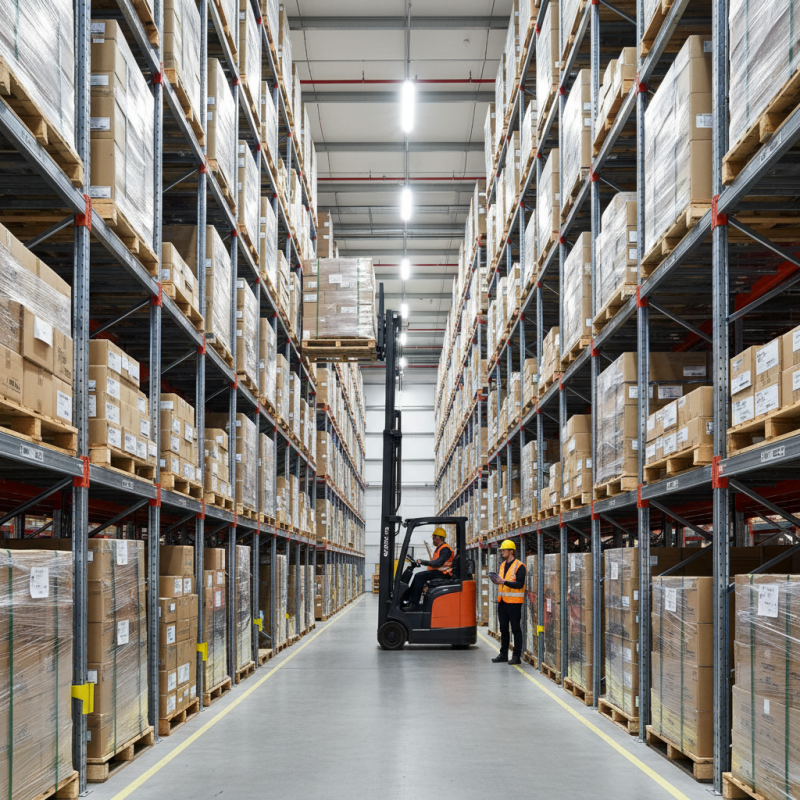
Narrow aisle handling refers to the technique of using specialized equipment and strategies to manage storage and movement of goods in tight spaces. As warehouse operations evolve, maximizing space becomes a priority. This method enhances storage density, allowing for more items in a smaller area. It is crucial in maximizing operational efficiency.
The basics include using equipment like narrow aisle forklifts and pallet jacks. These machines are designed to maneuver in compact areas. Operators must be trained to handle them deftly. Proper training can minimize accidents and improve productivity. However, a lack of proper skill can lead to mishaps. Ensuring that workers are well-prepared is essential, yet many facilities overlook this aspect.
While narrow aisle handling offers efficiency, it also presents challenges. Workers can feel constrained, which may affect morale. Tight spaces require constant vigilance, increasing stress levels. Companies must balance space optimization with employee welfare. Finding this balance is not always easy and requires careful planning and assessment.
Narrow aisle handling is essential for optimizing storage space and increasing warehouse efficiency. This method involves using specialized equipment to navigate tight spaces while maintaining safety and operational effectiveness. Key features of narrow aisle handling equipment include compact design, greater maneuverability, and advanced technology.
One notable characteristic is the ability to utilize vertical space effectively. Many narrow aisle forklifts can lift to heights of 30 feet or more. According to a report by the Warehousing Education and Research Council, facilities utilizing narrow aisle equipment can increase storage capacity by up to 30%. This increase can lead to substantial cost savings over time.
**Tips:** Focus on operator training. Well-trained operators reduce the risk of accidents. Regular maintenance on equipment also enhances performance and lifespan. Monitor aisle width regularly, as even slight deviations can impact maneuverability and safety.
In terms of technology, many new models feature enhanced visibility, reducing blind spots and increasing safety. While these advancements show promise, relying solely on technology may lead to complacency among operators. Continuous improvement in skills is crucial in a dynamic warehouse environment. Regularly assess the operational layout, as inefficient setups can negate the benefits of narrow aisle systems.
Narrow aisle handling refers to the practice of optimizing warehouse space by using specialized equipment in tighter aisles. This method significantly enhances storage density. By narrowing the aisles, businesses can increase vertical storage. This is crucial, especially in urban areas where real estate is costly.
Implementing narrow aisle handling solutions provides several benefits. Improved space utilization leads to better inventory management. Companies can store more products without expanding their facilities. Enhanced efficiency results from reduced travel time for forklifts. Workers can navigate the aisles more easily.
However, there are challenges to consider. Some workers may find it difficult to operate in confined spaces. Training is essential to ensure safety and efficiency. Equipment costs can also be a concern initially. It's important to evaluate your existing workflow before adopting these solutions. Given these points, a well-thought-out strategy can create a win-win situation for companies.
Narrow aisle handling is becoming crucial in modern warehouse operations. However, it presents unique challenges. Operating in confined spaces limits maneuverability. According to a report by the Warehousing Education and Research Council, over 40% of warehouse capacity is unused due to inefficient aisle widths. This data highlights the need for strategic layout designs to optimize space.
Safety is another concern. Operators may feel cramped, leading to accidents. A study by Safety Management Resources found that narrow aisle operations are 30% more likely to result in injury if not properly managed. Training workers becomes essential. Proper techniques can mitigate risks associated with limited pathways.
Also, equipment choices affect efficiency. Selecting the right forklifts or pallet jacks is pivotal. According to industry experts, using specialized equipment increases productivity by 20% in narrow aisles. However, not all companies adapt quickly to these needs. Many grapple with outdated strategies, which can lead to lost productivity and increased operational costs. Balancing space, safety, and equipment selection remains a key focus for businesses aiming to enhance their narrow aisle operations.
Narrow aisle handling technology continues to evolve, significantly impacting warehouse efficiency. The shift towards automation is noticeable. Automated guided vehicles (AGVs) and robotic systems are gaining traction. These tools improve safety and reduce labor costs. They navigate tight spaces with precision, which is essential for maximizing storage.
Another trend is the integration of advanced data analytics. This technology aids in optimizing inventory management. Real-time tracking ensures products are accessible. Even so, reliance on technology can create challenges. Systems may malfunction, leading to disruptions. It’s essential to have contingency plans.
Sustainability is also a focus in narrow aisle handling. Eco-friendly materials and energy-efficient machines are becoming standard. However, the initial investment can be daunting for smaller businesses. Companies must weigh the long-term benefits against upfront costs. Embracing these trends can shape the future of logistics, but careful consideration is vital.
| Dimension | Data |
|---|---|
| Typical Aisle Width | 6-7 feet |
| Forklift Type | Narrow Aisle Reach Truck |
| Storage Density Improvement | 30-50% |
| Warehouse Utilization | Up to 85% |
| Future Technology Trends | Automation & AI Integration |
| Market Growth Rate | 8% CAGR (2023-2030) |
: Limited maneuverability and safety concerns create significant challenges. Poorly designed aisles lead to underutilized space.
Proper training helps mitigate risks associated with cramped spaces. Well-trained operators can reduce accidents by using correct techniques.
Choosing the right equipment, like specialized forklifts, boosts productivity by 20%. Outdated strategies hinder efficiency and increase costs.
Automation improves safety and lowers labor costs. Automated vehicles navigate tight spaces effectively, enhancing overall storage efficiency.
Advanced analytics optimize inventory management. Real-time tracking ensures easy access to products but may cause disruptions if systems fail.
Sustainability is becoming essential. While initial costs may be high, long-term benefits encourage businesses to adopt eco-friendly materials and machines.
Narrow aisle handling refers to the specialized methods and equipment used for managing materials in confined spaces, typically found in warehouses and storage facilities. Understanding what is narrow aisle handling and why it matters is crucial for businesses aiming to maximize their storage efficiency while maintaining safe and effective operations. Key features of this handling approach include the use of compact forklifts and automated guided vehicles designed to navigate tight spaces, allowing for higher vertical storage.
Implementing narrow aisle handling solutions offers numerous benefits, such as increased storage capacity, improved inventory management, and cost reductions through optimized labor. However, organizations also face challenges, including the need for careful planning regarding layout and equipment selection. As technology advances, trends like automation and smart warehousing are expected to shape the future of narrow aisle handling, making it an essential consideration for modern logistics.

IDD Motion