❓ Frequently Asked Questions
1. Which type of navigation technology should be chosen?
AGVs use various technologies:
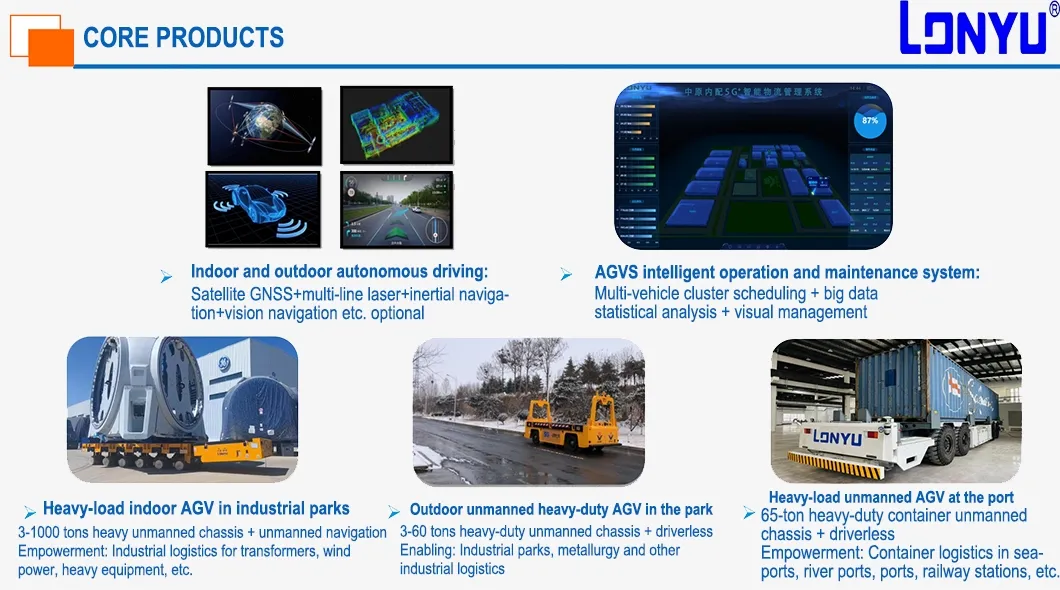
- Laser guidance: Extremely accurate (up to 0.25cm), ideal for medical use.
- Wire guidance: Uses ground tracks; best for fixed, non-flexible applications.
- Vision guidance: Camera-based path recognition; low installation cost.
- Geographical navigation: Map-based system; highly flexible as itineraries are calculated independently via software.
2. When is an AGV considered a good material handling solution?
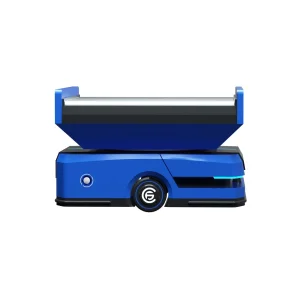
An AGV is an excellent choice when you need a movable platform for horizontal transport of materials and components. Selection depends on the specific load weight and the travel requirements of your application.
3. What are the core benefits of using heavy-duty AGVs?
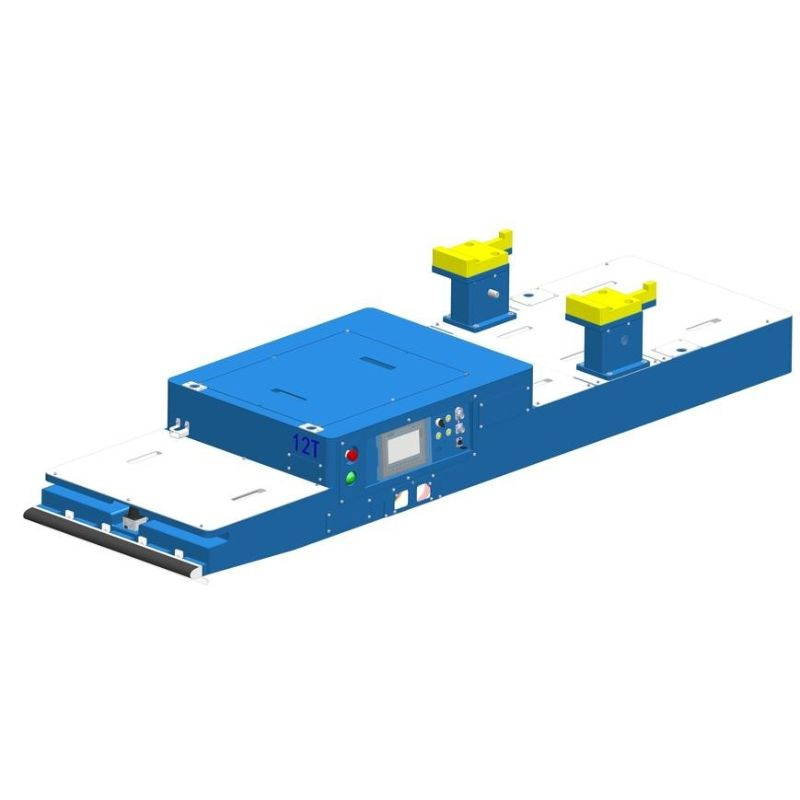
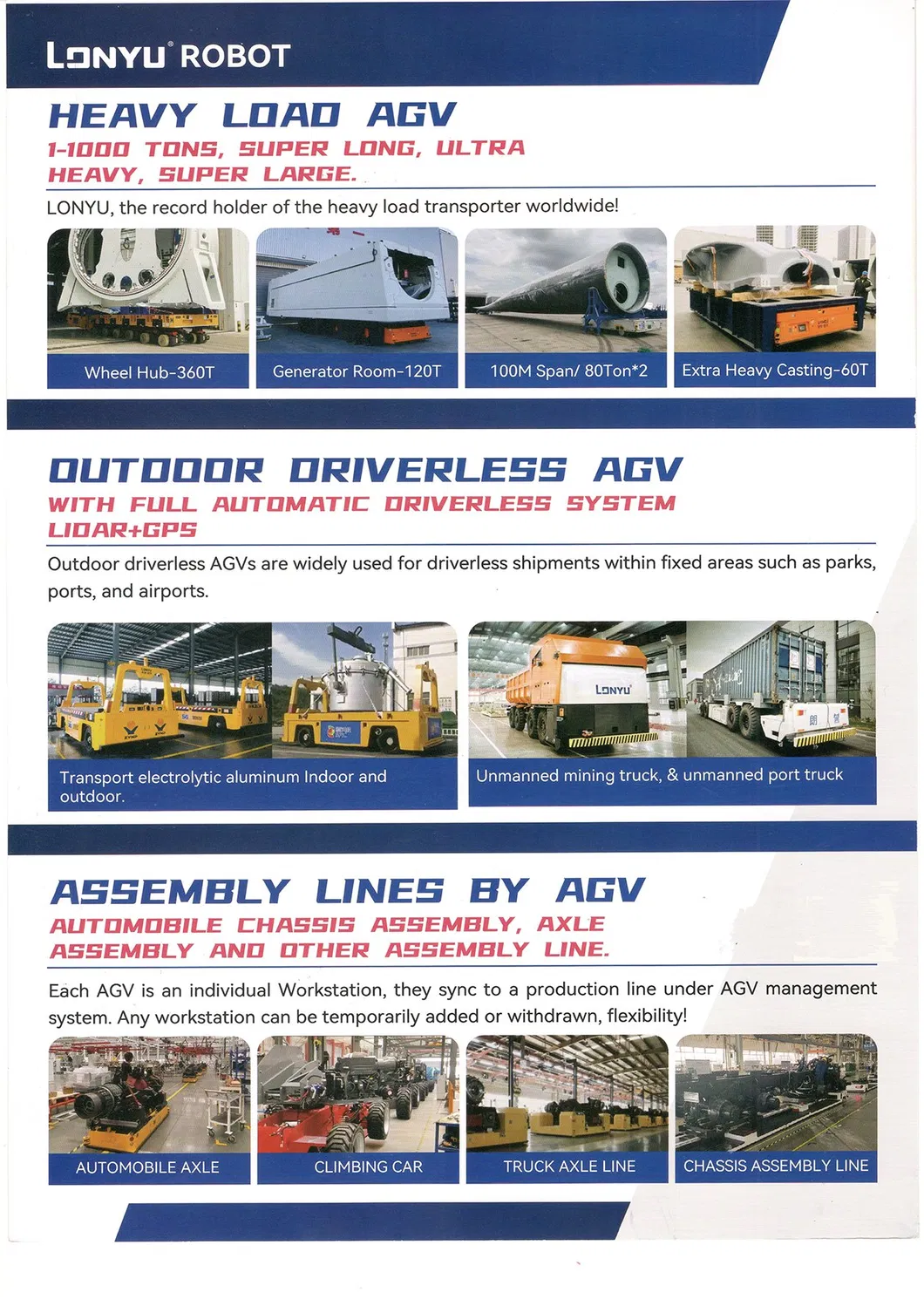
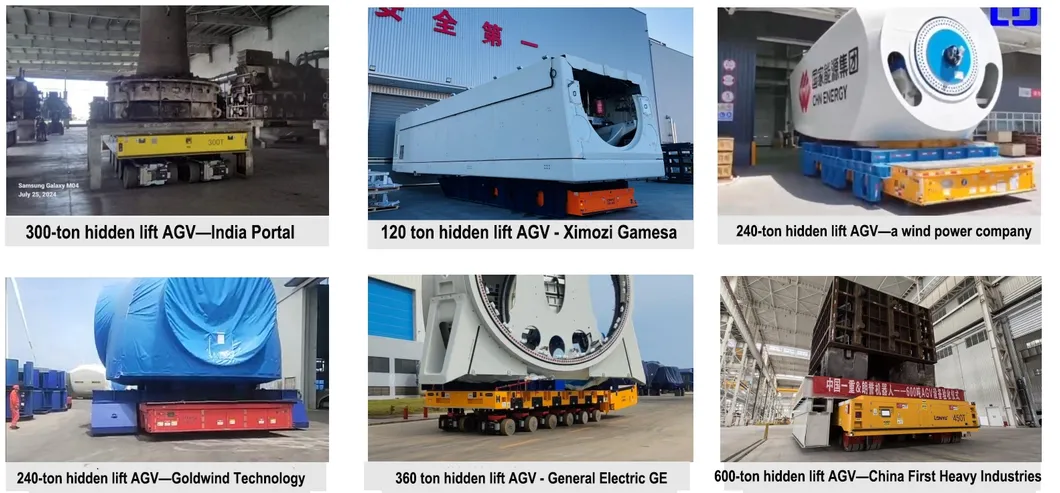
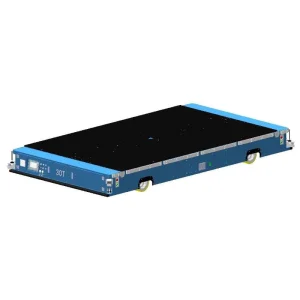
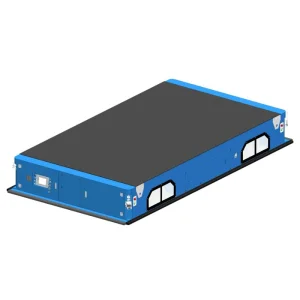
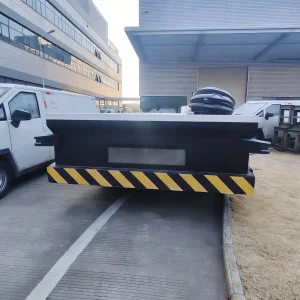
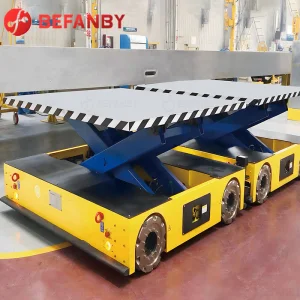
Heavy-duty AGVs offer high safety, stable operation, and easy handling of overweight or overlong parts. Key features include automatic lifting, hydraulic independent suspension, automatic leveling, and anti-collision systems. They excel in restricted passages and uneven ground.
4. Which industries commonly utilize heavy-duty AGV transfer vehicles?
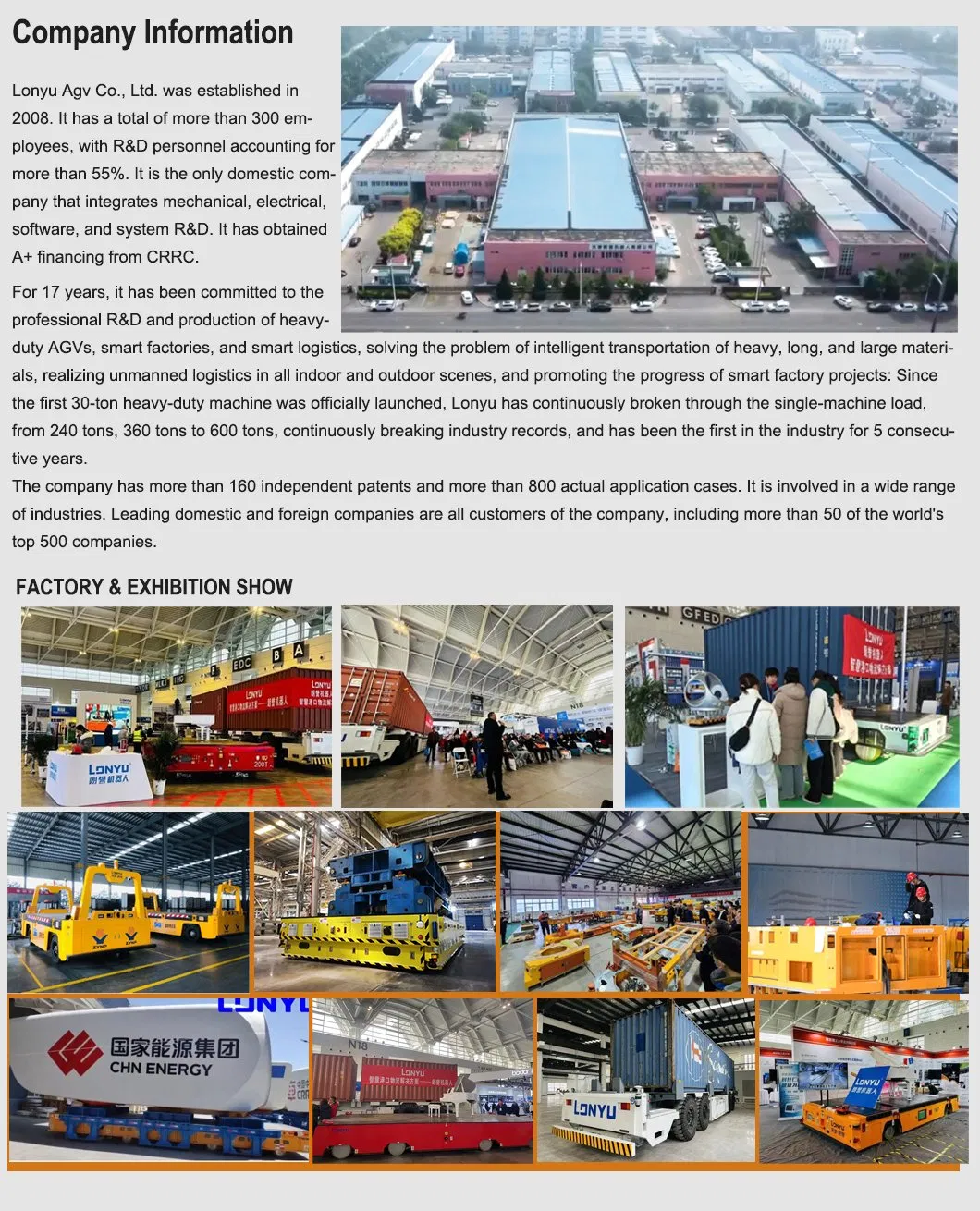
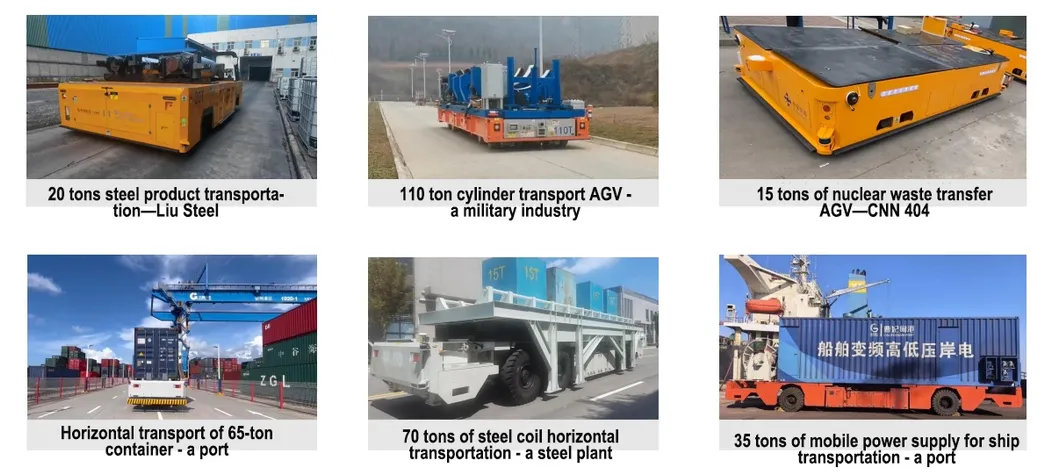
They are primarily used in warehousing, manufacturing, ports, airports, and hazardous environments. They help improve logistics automation, reduce labor intensity, shorten logistics cycles, and enhance overall economic efficiency.
5. What safety features are integrated into these heavy-load vehicles?
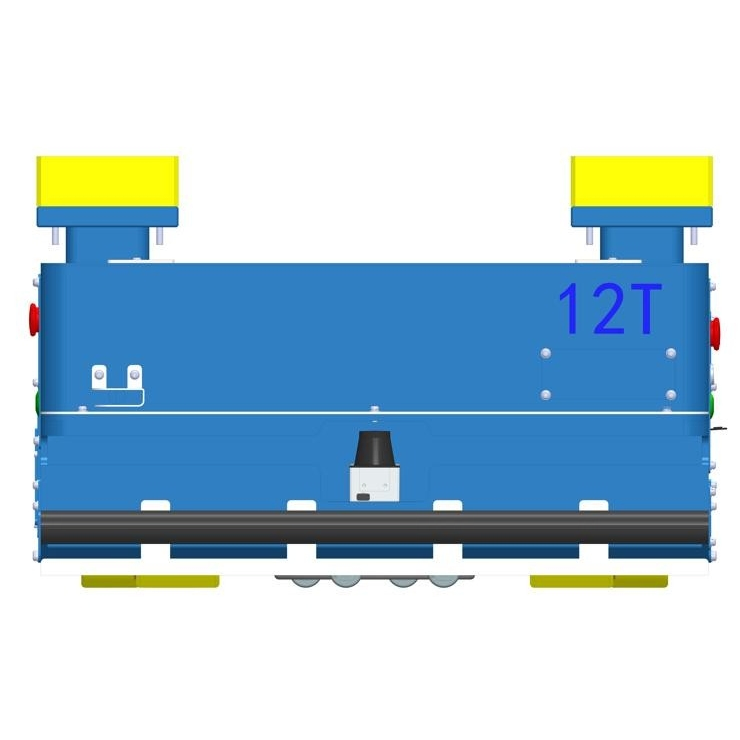
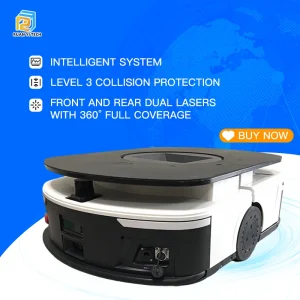
Safety is a priority, featuring a Collision Avoidance System, Emergency Stop Buttons, Obstacle Detection Sensors, and a Safety Laser Scanner to ensure secure operation in busy industrial environments.
6. What is the load capacity and warranty for the 23029B model?
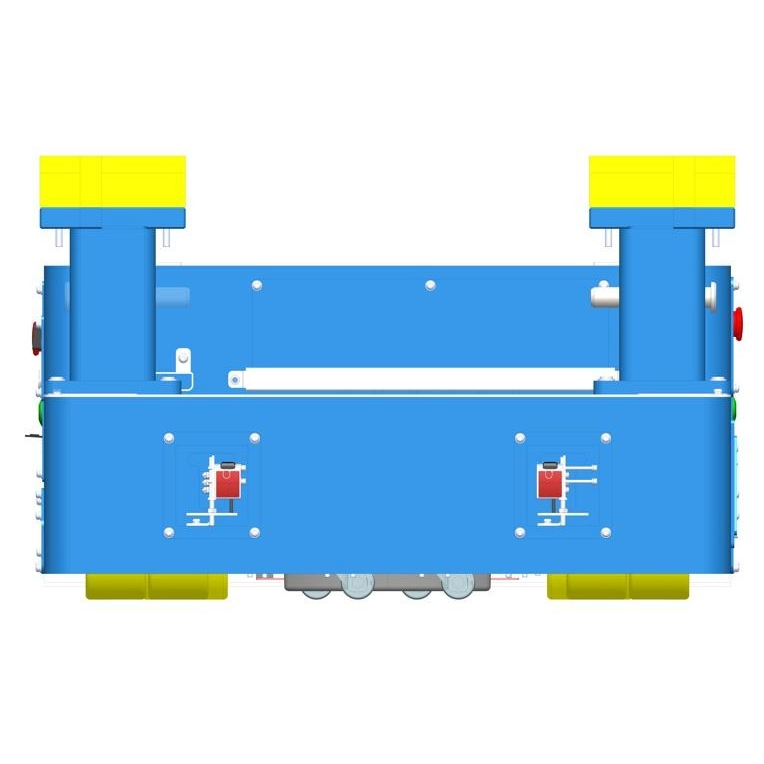
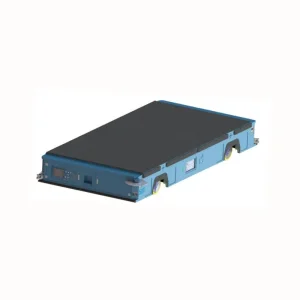
The 23029B model is designed for a heavy load capacity of 12 tons (12t) and comes with a standard 1-year warranty for quality assurance.
 IDD Motion